

Agree on one primary contact and one communication channel before signing anything, and put it in writing. Require that anything touching money, scope, or timeline gets confirmed by email or a project platform, never a verbal handshake. Ask for a written update every Friday. Those three habits, done consistently, prevent most of the frustration homeowners report during a remodel.
TL;DR:
- Establish a single primary contact and communication channel before work begins to ensure clear, documented decisions on scope, schedule, and costs.
- Use written change orders for any scope adjustments or extra work, and confirm all verbal agreements within 24 hours to prevent disputes.
- Require weekly written project updates every Friday, detailing completed work, upcoming tasks, and decisions needed to keep the project on track.
- Conduct a thorough final walkthrough with a punch list to verify all work meets expectations before releasing final payment.
- Assign a dedicated lead on the crew side and ask your contractor to confirm a Friday update routine to improve accountability and communication.
Table of Contents
- Tips to Effectively Communicate With Your Contractor Every Day
- How Do You Set Up Communication Protocols Before Work Starts?
- Making the Contract and Change Orders Actually Work for You
- Weekly Updates That End the “Where Are We?” Calls
- Scripts for Handling Delays, Surprises, and Cost Changes
- What Is a Scope-to-Field Briefing, and Why Should You Ask About It?
- Setting House Rules for an Active Job Site
- Closing Out the Project: Walkthroughs, Punch Lists, and Reviews
- What Actually Changes Project Outcomes on a Remodel
- What Tampakitchenandbath Does Differently on Communication
- Sources
Tips to Effectively Communicate With Your Contractor Every Day
Most communication breakdowns during a remodel don’t come from one dramatic fight. They come from a slow accumulation of small ambiguities: a text nobody answered, a verbal “yeah, that’s fine” that later turns into a $2,000 surprise, a decision that got made by someone who wasn’t actually authorized to make it. The fix is procedural, not personal.
Here’s a working list you can start using on day one.
- Pick one primary channel and stick to it. Text for logistics like arrival times is fine, but scope, cost, and timeline decisions belong in email or a shared project platform where there’s a timestamp and a paper trail.
- Name a single point of contact on each side. You need one person who speaks for the household, and the contractor needs one lead who speaks for the crew.
- Batch your non-urgent questions. Contractors work better when owners save small questions for one weekly check-in instead of firing off five texts a day, according to guidance on communicating effectively with a general contractor.
- Timestamp your own photos. When you spot something you want addressed, snap a picture with the date visible or note the time in the caption before you send it.
- Keep a running decision log. A simple shared document listing what was decided, when, and by whom saves you when memories start to conflict weeks later.
- Put every verbal “yes” in writing within 24 hours. If your contractor agrees to something on-site, send a same-day recap email: “Confirming we discussed X and agreed to Y.”
- Use short, specific scripts instead of vague complaints. “The tile grout looks uneven near the shower niche, can we walk it Thursday?” gets a faster, better response than “I’m not happy with the tile.”
- Escalate in writing, not in person, when something feels stuck. A calm email creates a record; a hallway conversation does not.
- Insist on signed change orders before extra work begins. This one is not optional. Verbal agreements to add scope or spend more money have no legal weight if a dispute happens later.
- Confirm the weekly update in writing, every Friday, no exceptions. This single habit does more to prevent anxious “where are we?” calls than anything else on this list.
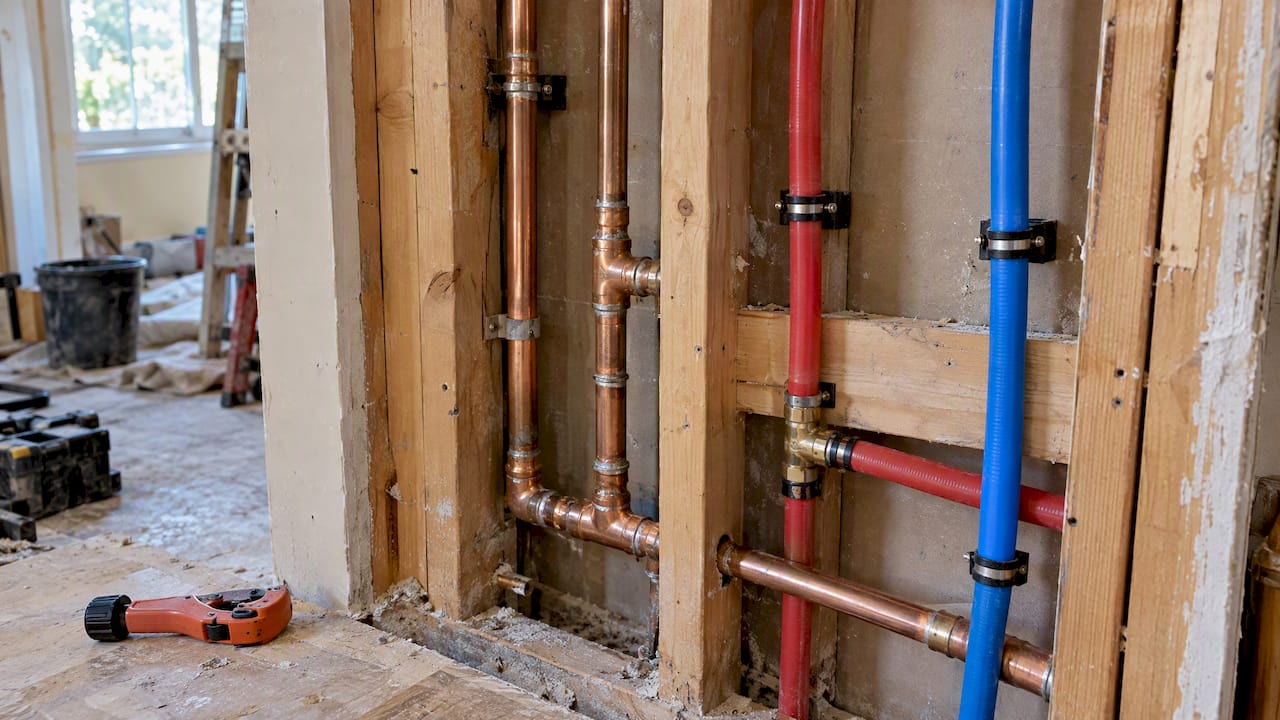
- Ask for photos of anything that gets covered up. Plumbing, electrical, and framing behind drywall should be documented before it disappears.
- Review your decision log monthly on longer projects. Catching a miscommunication in week three is cheap. Catching it in week nine is not.
Two quick templates you can copy almost word for word:
Immediate-notification script (for problems): “We noticed [issue] on [date]. Can you confirm the impact on cost and schedule, and let us know the next step?”
Change-order request: “Before this work proceeds, can you send a written change order with the updated cost and revised completion date? We’ll sign and return same day.”
Pro Tip: Save your decision log and every change order in one folder, cloud or physical, from day one. When a dispute happens six weeks in, the person with the paper trail wins the conversation.
Written change orders and clear documentation aren’t just good manners. Homeowners who insist on formal change-order processes see meaningfully fewer post-project disputes, because there’s no ambiguity about what was agreed to.
How Do You Set Up Communication Protocols Before Work Starts?
The best time to establish how you’ll talk to your contractor is before the first hammer swings, not after the first misunderstanding.
Walk through this checklist at your pre-construction meeting:
- Pick a primary channel and a backup. Email or a project app for anything decision-related; text only for day-of logistics like “the crew is running 20 minutes late.”
- Set response-time expectations. Non-urgent questions get answered within 24 to 48 hours. Day-of logistics issues (a locked gate, a missing delivery) get a 2-hour window.
- Name one contact per side. You designate a household decision-maker, and the contractor designates a lead who can actually approve changes on-site, not just relay messages.
- Define who signs change orders. If your spouse or partner also needs to approve spending, say so now, not mid-argument three weeks in.
- Agree on a single source of truth for documents. Every drawing, spec sheet, and approved sample lives in one folder or platform, labeled and dated, so nobody’s working off an outdated version. Centralizing messages, drawings, and approvals this way saves real time and reduces disputes, especially once a project runs past a few weeks.
- Decide how urgent decisions get made. If a pipe needs to be moved and a decision is needed same-day, how does that get to you, and how fast do you need to answer?
None of this requires fancy software. A shared folder and a five-minute conversation at kickoff covers most residential remodels.
Making the Contract and Change Orders Actually Work for You
A vague contract is where most communication problems start, long before the first day of demo.
Your scope of work should spell out exact deliverables: specific model numbers for fixtures and appliances, drawings showing layout and dimensions, and a written list of what’s explicitly excluded. If the contract says “install new vanity” without a model number, you and your contractor may be picturing two completely different vanities.
Allowances are where ambiguity hides. An allowance is a placeholder budget for something not yet chosen, like tile or countertops, and it’s the single most common source of “that’s not what I meant” arguments. Limit allowances wherever possible by picking materials before signing, or at minimum, cap the allowance with a specific price-per-square-foot ceiling in writing.
For changes mid-project, use a hard stop:
- Work on the changed element pauses until a written change order is signed.
- The change order states the added cost and the revised completion date, not just “yes, we can do that.”
- If you decline the change, that refusal gets documented in writing too, so the contractor can proceed with the original scope without confusion later.
A sample follow-up email you can send the day a change comes up: “Following up on our conversation about [change]. Can you send the written change order with updated cost and timeline before your crew proceeds?”
Weekly Updates That End the “Where Are We?” Calls
A short written update, sent every Friday, is the single highest-leverage habit in this entire article. It takes a contractor ten minutes to write and it kills most of the anxious phone calls that come from silence.
The template is simple:
- What got finished this week
- What’s scheduled for next week
- Any decisions needed from you, with a deadline
This isn’t a nice-to-have. A concise weekly written update eliminates most reactive “checking in” calls and creates a dated record you can point back to if there’s ever a disagreement about timeline.
For active demolition or framing phases, add a short daily huddle, even five minutes, so you know what crew is on-site and what’s happening that day. For most residential jobs, a weekly walkthrough covers it; daily huddles matter most during the noisiest, messiest phases when things change fast. Ask for a couple of dated photos with each Friday update. On larger projects spanning several months, a brief Monday check-in alongside the Friday recap helps catch schedule drift before it becomes a two-week slip.
Scripts for Handling Delays, Surprises, and Cost Changes
Surprises happen on almost every remodel. Old plumbing that doesn’t match the drawings, a floor that isn’t level, a permit delay. What separates a smooth recovery from a fight is how the problem gets communicated.
Use this structure the moment something goes sideways: state the problem, state the impact on cost and schedule, propose a solution, and name the next touchpoint. For example: “We found rotted subfloor under the tub. This adds roughly [X] days and [Y] cost. We recommend [solution]. Let’s confirm by Thursday so we don’t lose a week.”
- File a formal RFI (request for information) for anything technical, attached with photos, and ask for a written response covering scope, cost, and time impact.
- Never accept a verbal-only agreement for added cost or time. Get it in an email, minimum.
- If the contractor wants to proceed on a changed element before you’ve signed off, ask them to pause that specific task until the change order is signed.
Pro Tip: Take a dated photo before you approve any hidden-condition fix. If a subfloor or pipe issue ever comes up again in a warranty conversation, that photo is your proof of what was there and when it was fixed.
What Is a Scope-to-Field Briefing, and Why Should You Ask About It?
A Scope-to-Field Briefing is a short daily conversation the crew lead should have with the actual workers before tools come out, and it covers five things: the scope for that day, the sequence of tasks, any site constraints (safety zones, off-limits rooms), who to contact if something’s unclear, and what “done” looks like by end of day. When crews show up without this briefing, the lost time compounds fast, according to field communication guidance built around exactly this problem.
You don’t need to run this briefing yourself, but you can verify it’s happening. Ask the foreman:
- “Can you walk me through today’s scope in one minute?”
- “What’s the sequence, and is anything blocked or waiting on a decision?”
- “Who do I call if something comes up while you’re not on-site?”
- “What should this space look like by end of day?”
If a foreman can’t answer these in under a minute, that’s worth flagging to your project manager. On smaller jobs or the first day of a new phase, it’s reasonable for you to walk the crew through the day’s scope once yourself, purely as a backup, not a replacement for the contractor’s own process.
Setting House Rules for an Active Job Site
A remodel invades your daily life more than most homeowners expect, and most of the friction is preventable with a five-minute conversation at kickoff.
Settle these logistics before the first day of work:
- Which door the crew uses, where they park, and where materials get staged
- Where trash and debris get stored until pickup, and how often it’s cleared
- Basic safety rules, especially if kids or pets will be home during work hours
- How you’ll flag days the site needs to be off-limits, like a family event or a sick day
- Whether guests or deliveries need advance notice to the crew
Living through an active remodel is easier when you set clear expectations early about access and daily routines. Pets do best kept in a separate part of the house during work hours, both for their safety and to keep the crew moving without interruption.
Closing Out the Project: Walkthroughs, Punch Lists, and Reviews
The final two weeks of a remodel are where sloppy communication does the most damage, right when you’re closest to done.
- Walk the finished space with your contractor and build a written punch list of anything incomplete or incorrect, with photos attached to each item.
- Set a follow-up date for each punch list item, not just a vague “we’ll get to it.”
- Verify each fix in person before signing off, don’t rely on a text saying “all done.”
- Hold back final payment, per your contract terms, until agreed punch list items are actually complete.
- Once everything’s resolved, a specific, factual review helps other homeowners more than a generic star rating.
What Actually Changes Project Outcomes on a Remodel
We’ve watched enough projects up close to notice a pattern: the jobs that go smoothly almost always have one thing in common, a single accountable person on the crew side who homeowners can reach without guessing. That’s the whole idea behind assigning a lead carpenter to a project instead of rotating whoever’s available. When one person owns the schedule and the communication, the Friday update actually happens, and problems get flagged before they become expensive.
The habit worth adopting immediately, starting this week if you’re mid-project: ask your contractor directly, “Who is my one point of contact, and can we agree on a Friday update starting this week?” That single question resets the whole dynamic.
— MediaBeast
What Tampakitchenandbath Does Differently on Communication
Everything in this article points to the same root cause of remodel frustration: no single point of contact, no written record, and no consistent update rhythm. Tampakitchenandbath builds its process around fixing exactly that. Every project gets a dedicated Lead Carpenter as the one person you call, upfront pricing so cost surprises and vague allowances don’t derail the budget, and a Work Clean System that keeps dust and disruption contained without you having to ask.
If you’re weighing whether a remodel is worth the disruption, browsing real finished projects helps more than reading specs. Look through the Tampa bathroom remodeling gallery to see the kind of work these processes produce, or read through client testimonials describing what the day-to-day process actually felt like. When you’re ready to talk specifics, request a consultation and ask directly about the Friday update rule and who your Lead Carpenter will be, that one question tells you a lot about how the rest of the project will run.
Sources
- Construction client communication guide
- How to talk to your contractor
- Contractor field communication | Think First. Execute Strong.