
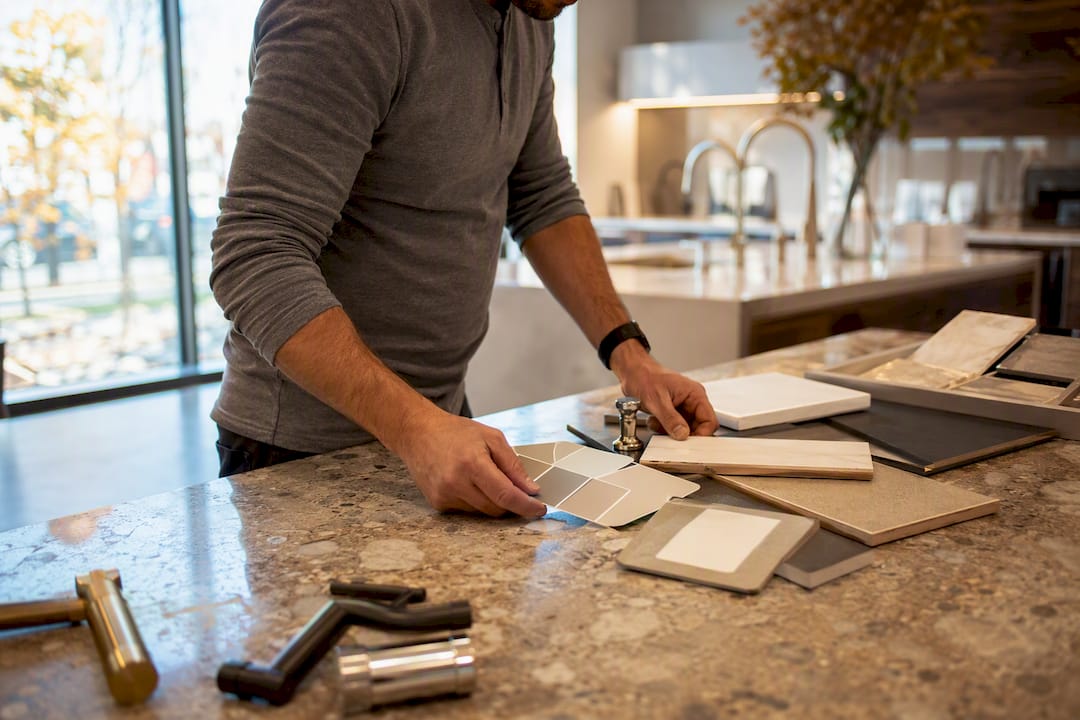
A cosmetic refresh runs $2,500 to $8,000. A mid-range full remodel lands between $8,000 and $22,000. A full gut with upscale finishes starts around $25,000 and climbs from there. Per square foot, expect $70 to $250, depending on finish level and region.
The single biggest lever in any of these numbers isn’t tile or fixtures. It’s labor. Skilled trade labor typically eats 40% to 60% of your total budget, and moving plumbing lines multiplies that fast.
Before you set a number in your head, build in room to be wrong:
- Cosmetic refresh: $2,500–$8,000
- Mid-range full remodel: $8,000–$22,000
- Full/upscale remodel: $25,000+
- Contingency reserve: 15–20% of total budget, held in cash, not spent on upgrades
Pro Tip: Price your project per square foot first, then sanity check it against the line-item breakdown below. If the two numbers don’t roughly agree, someone’s estimate is missing something.
TL;DR:
- Labor costs typically account for 40% to 60% of the total bathroom remodel budget, significantly impacting final expenses.
- Relocating plumbing fixtures can add between $3,000 and $5,000 to costs, making it a critical decision to keep in mind for budget control.
- Setting aside 15% to 20% of the budget as a contingency reserve helps cover unexpected repairs and hidden issues discovered during demolition.
- Choosing a project with up-front fixed pricing and a dedicated lead carpenter reduces the risk of cost overruns caused by scope ambiguities.
- A mid-range full remodel generally costs between $8,000 and $22,000, with most projects focused on maintaining existing layouts to contain costs.
Table of Contents
- What Does a Bathroom Remodel Budget Look Like by Tier?
- Where Does the Money Actually Go? A Line-Item Breakdown
- How Do You Keep a Bathroom Remodel on Budget?
- How Long Does a Bathroom Remodel Take, and What Do Permits Cost?
- What Does a Professionally Managed Remodel Do Differently?
- The Advice Nobody Gives You About Bathroom Budgets
- Get a Bathroom Remodel Estimate That Actually Holds
- Key Takeaways
- Sources
What Does a Bathroom Remodel Budget Look Like by Tier?
Not every bathroom project needs the same money, and the tier you fall into depends on how much you’re changing, not just how nice the finishes look. A fresh coat of paint and new fixtures is a different animal than tearing out a tub and relocating a drain.
Here’s how the tiers typically break down:
- Cosmetic refresh ($2,500–$8,000). New paint, updated hardware, a new mirror, maybe a new toilet or vanity faucet. Layout stays untouched. This is the fastest path to a bathroom that looks current without opening a wall.
- Partial/minor remodel ($8,000–$15,000). New vanity, new flooring, updated lighting, possibly a new tub surround. Some plumbing fixtures get swapped but supply lines stay put.
- Mid-range full remodel ($11,500–$25,000). This is where most homeowners land. Full gut of a standard 50 to 100 square foot bathroom, new tile, new vanity, new tub or shower, and usually a plumbing fixture reposition or two.
- Upscale/master remodel ($25,000–$45,000). Custom tile work, a freestanding tub, a curbless glass shower, heated floors, and often a layout change that moves the toilet or shower drain.
- Luxury remodel ($45,000+). Custom cabinetry, natural stone, smart fixtures, and design work that treats the bathroom like a spa. Material costs stop being the constraint; craftsmanship time is.
Small bathrooms complicate this math in a way a lot of homeowners don’t expect. A 40 to 60 square foot powder room or hall bath often costs disproportionately more per square foot than a larger primary bath, because waterproofing, plumbing rough-in, and tile setting require the same setup time and minimum labor hours whether the room is 40 square feet or 100.
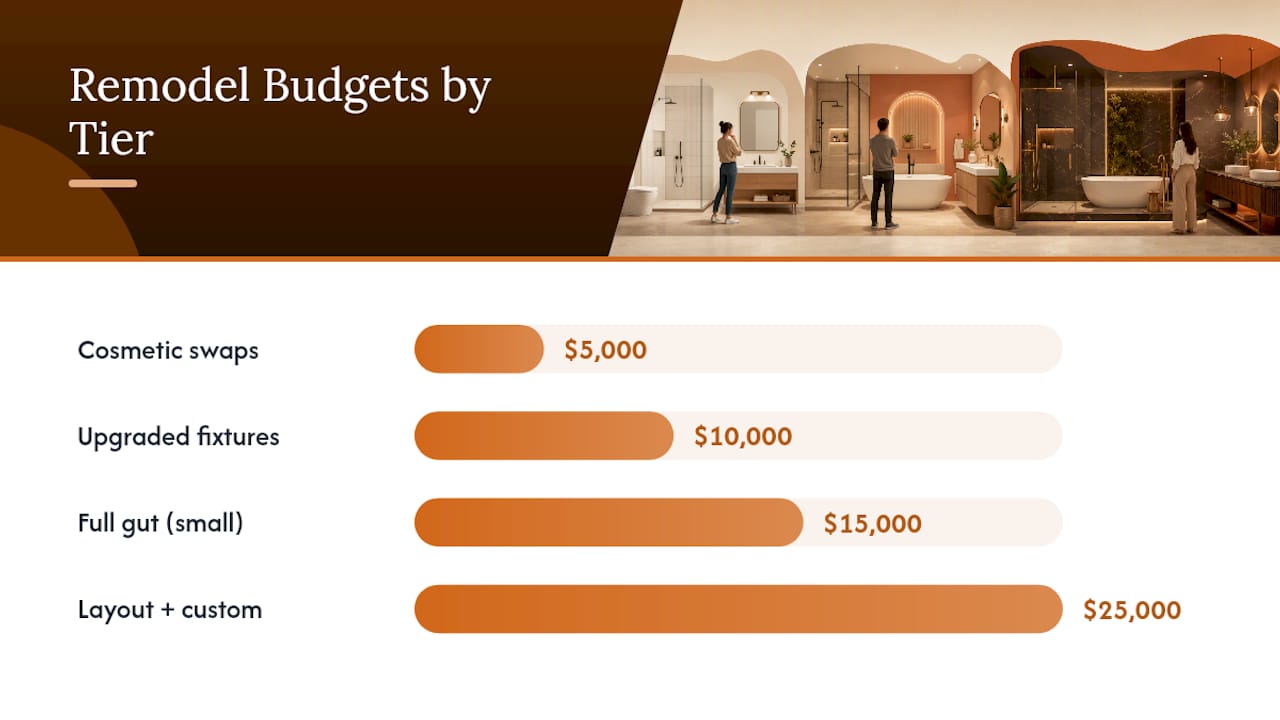
So what does the money actually buy? A $5,000 project covers cosmetic swaps only: new toilet, new vanity faucet, paint, and maybe new flooring over an existing subfloor. A $10,000 budget gets you a new vanity, updated lighting, new floor tile, and a reglazed or refreshed tub, with the existing layout untouched. A $15,000 budget typically covers a full gut of a small bathroom, including new tile, a new tub or shower enclosure, and a new vanity, as long as plumbing stays where it is. Cross $25,000 and you’re usually looking at a layout change, custom tile work, and upgraded fixtures throughout.
Where Does the Money Actually Go? A Line-Item Breakdown
Every bathroom budget breaks down into a handful of predictable categories, and knowing the typical percentage each one occupies helps you spot a bid that’s out of line before you sign anything.
Representative splits on a full remodel look roughly like this, based on line-item cost data compiled by The Renology Journal:
| Line item | % of budget | Typical range |
|---|---|---|
| Demolition | 3–5% | $800–$1,500 |
| Plumbing labor | 8–15% | $1,500–$5,000 |
| Shower/tub install | 15–25% | $2,000–$8,000 |
| Tile (materials + labor) | 15–20% | $15–$25 per square foot installed |
| Vanity and countertop | 8–15% | $600–$3,800 |
| GC fee/overhead | 10–20% | Varies by project size |
| Permits | 2–4% | $200–$600 |
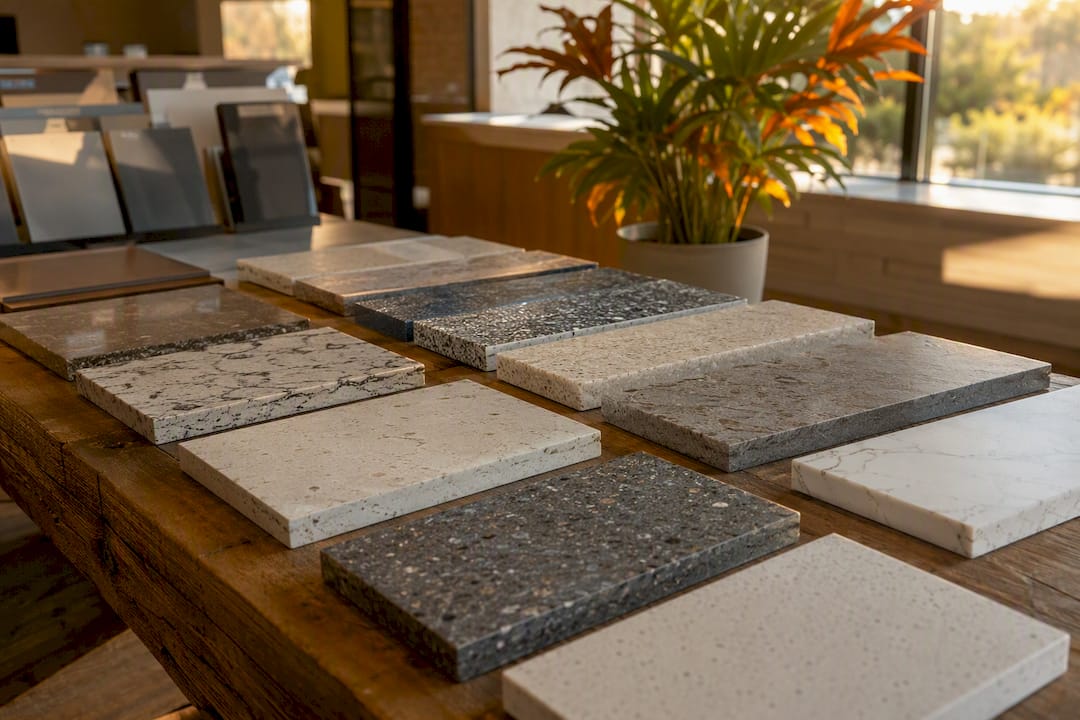
Tile costs swing hardest based on material choice. Basic ceramic runs $3 to $10 per square foot installed, porcelain lands around $8 to $20, and natural stone or large-format tile can push past $25 per square foot once labor for cutting and setting is factored in. A detailed tiling cost guide breaks down how pattern complexity and grout choice affect labor time specifically.
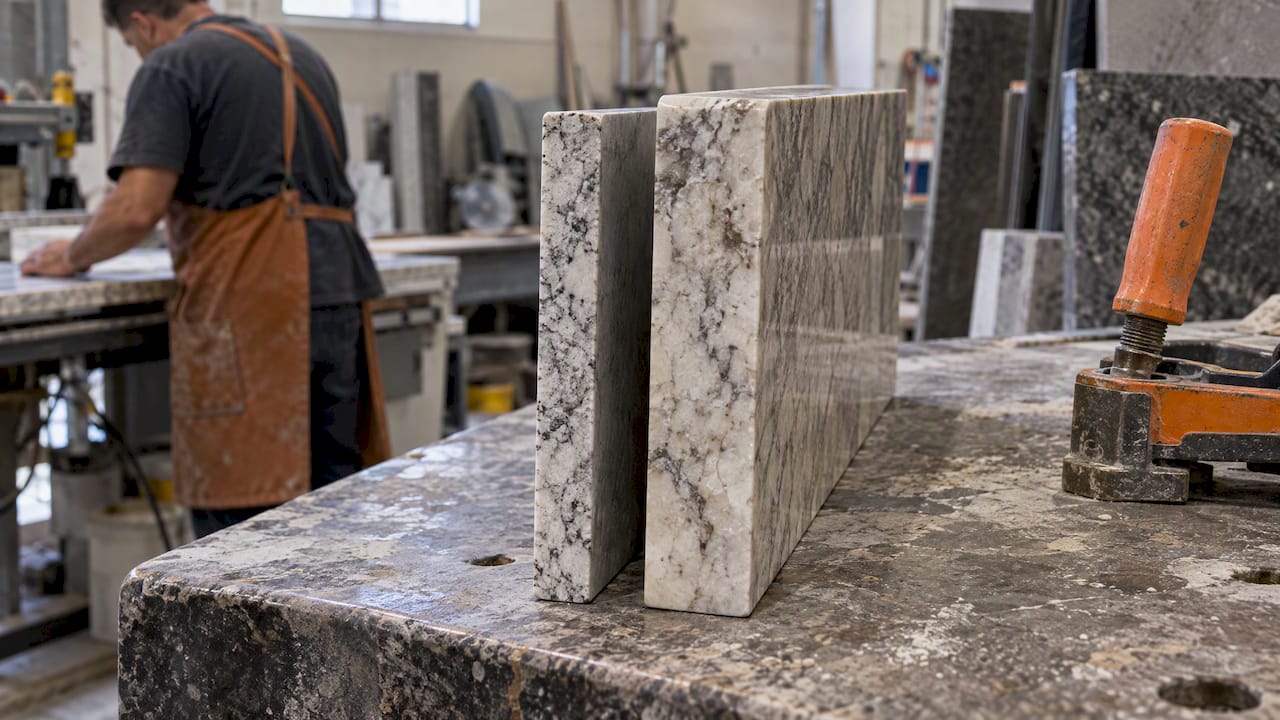
Vanities and countertops carry a similarly wide range. A prefab vanity with a laminate top starts around $300 to $600. Move to quartz and you’re looking at $50 to $100 per square foot installed, mostly because it’s engineered and consistently available in slab form. Granite runs comparable per-square-foot pricing but varies more by slab, since it’s a natural material with fewer standardized cuts, and sourcing an exact match after a repair is harder.
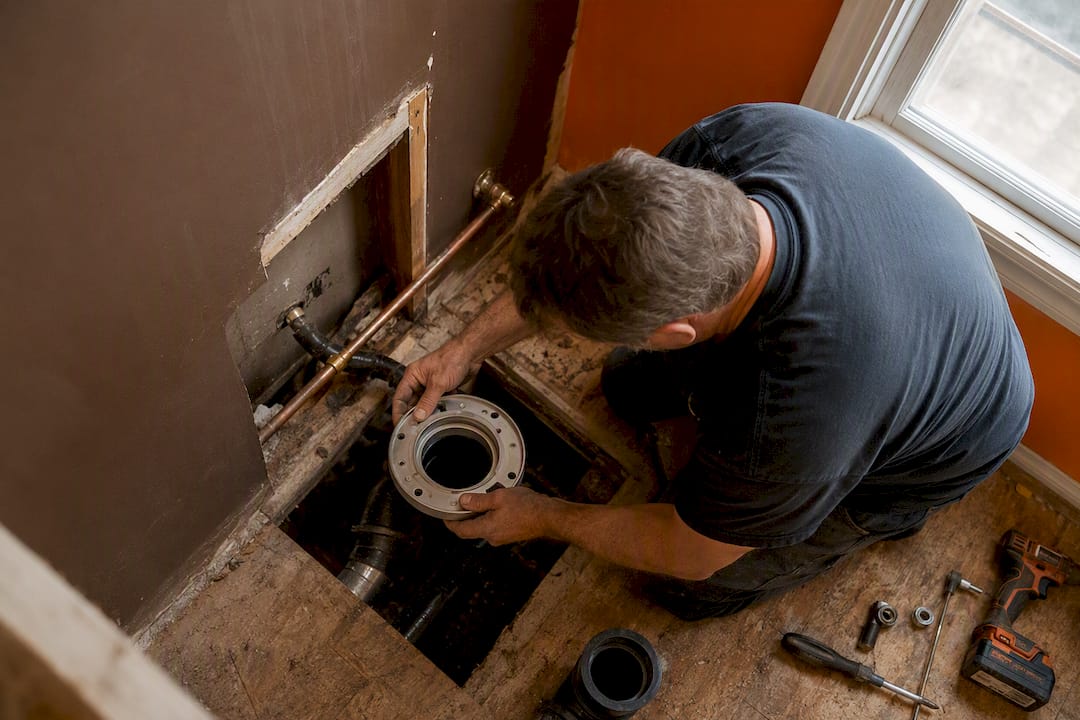
The one decision that swings your entire budget more than any material choice: moving plumbing. Relocating a toilet costs $1,500 to $5,000 depending on slab versus crawlspace construction and how far the drain has to travel. Keeping every fixture in its existing footprint is the fastest way to keep labor hours, and therefore total cost, contained.
How Do You Keep a Bathroom Remodel on Budget?
Most budget blowouts trace back to two things: scope creep during demolition and bids that don’t specify what’s actually included. Here’s what actually moves the needle.
- Keep plumbing where it is. This is the single biggest saving tactic available. Leaving supply and drain lines in place typically saves $2,000 to $8,000 compared to relocating a toilet or shower drain.
- Reglaze instead of replace. A tub reglaze runs a few hundred dollars versus $1,500 or more for full replacement, and it buys you a few more years if the tub itself is structurally sound.
- Choose a prefab shower unit over a custom tile shower. A one-piece or prefab base and surround installs in a day; a fully tiled shower with a custom pan can take a crew three to five days.
- Buy fixtures yourself. Purchasing tile, faucets, and lighting directly and having your contractor install them can save 10% to 20% on material markup, though ask your contractor upfront whether they’ll credit labor-only pricing for owner-supplied materials.
- DIY demolition where it’s safe. Pulling out an old vanity or tearing up flooring yourself before the crew arrives can shave a day of labor off the bill, as long as there’s no risk of hitting plumbing or electrical you can’t see.
When you’re comparing bids, pay attention to whether a number is an allowance or a fixed price. An allowance for tile or fixtures ($8 per square foot, for example) means you’re on the hook for the difference if you pick something pricier. Ask every contractor for unit prices on common surprises, subfloor replacement, joist sistering, mold remediation, so a change order has a number attached before it happens instead of getting negotiated mid-project.
How Long Does a Bathroom Remodel Take, and What Do Permits Cost?
A cosmetic refresh takes 1 to 2 weeks. A partial remodel runs 2 to 4 weeks. A full gut, especially one involving a layout change, typically takes 4 to 8 weeks or longer once you account for tile curing time and inspection scheduling.
- Permit fees for a full remodel commonly run $200 to $600, though some jurisdictions require separate electrical and plumbing permits on top of the general building permit.
- Hidden problems are the most common source of schedule and budget slippage. Rot around a tub drain, mold behind old tile, or outdated wiring that doesn’t meet current code all show up once demolition starts, not before.
- A contingency of 15% to 20% exists specifically to absorb these finds without forcing a mid-project scramble for cash or a compromise on the finishes you actually wanted.
What Does a Professionally Managed Remodel Do Differently?
A budget only holds up if the process behind it is transparent from day one. That’s the gap between a homeworn spreadsheet estimate and a bid you can actually trust.
Tampakitchenandbath structures every project around a few specific practices designed to keep numbers where they were set:
- Up-front pricing before demolition starts, so allowances and fixed costs are both spelled out in writing.
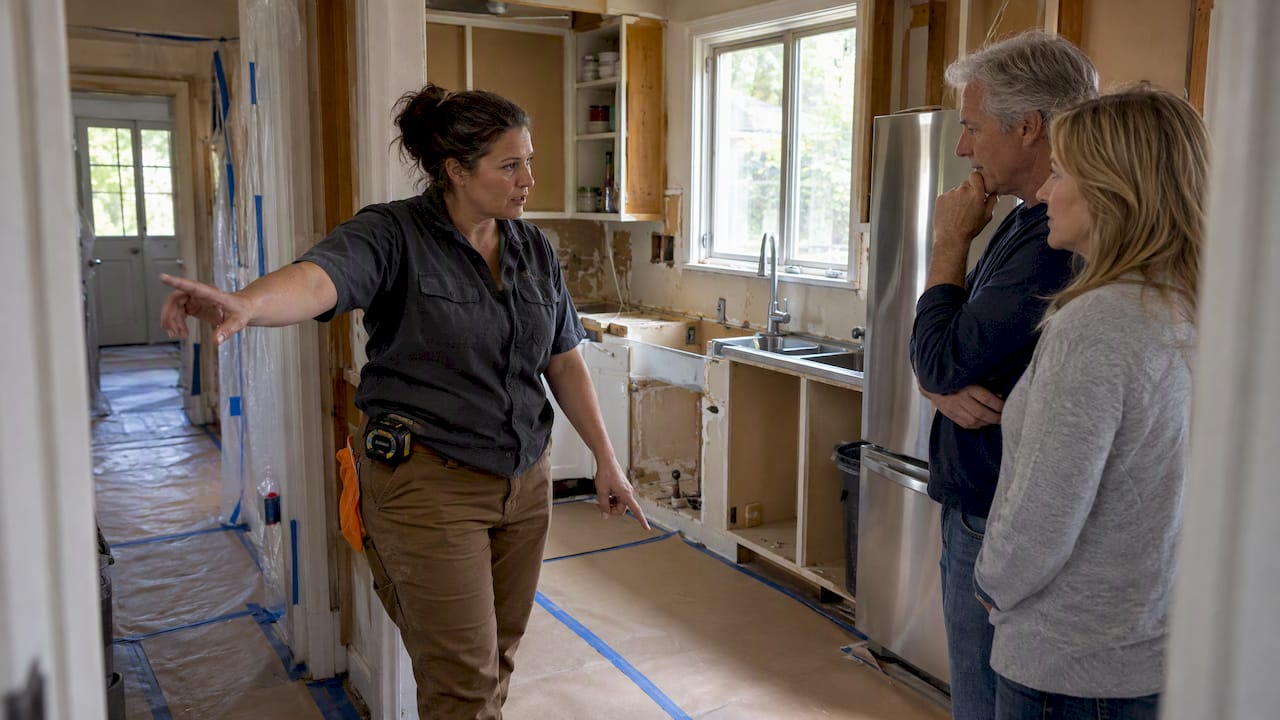
- A dedicated Lead Carpenter assigned to your project, giving you one accountable point of contact instead of a rotating crew.
- The Work Clean System, which minimizes dust and disruption throughout construction, a detail that matters more than it sounds when you’re living in the house during the work.
- Transparent communication on scope, timeline, and any change orders before they become surprises on an invoice.
The gap between a $15,000 estimate and a $22,000 final bill almost always traces back to what wasn’t specified up front, not what went wrong during the build.
These practices don’t eliminate hidden repairs. Old houses still have old pipes. But they replace guesswork with a written scope and a single accountable carpenter, which is what actually prevents a contingency fund from disappearing into disputes over what was supposed to be included.
The Advice Nobody Gives You About Bathroom Budgets
Most bathroom remodel guides treat the budget like a shopping list: pick your tile, pick your vanity, add it up. That’s backwards. The number that actually determines your final cost is a decision, not a purchase: are you moving plumbing or not?
Homeowners routinely fall in love with a layout that relocates a shower six feet across the room, then get blindsided when that single choice adds $3,000 to $5,000 in labor before a single tile gets set. The conventional wisdom says “get three bids and compare the bottom line.” The better advice is to compare what’s actually included in each bid, line by line, because a lower number often just means something got left out.
If you’re working with $10,000 to $15,000, the smartest move isn’t finding cheaper tile. It’s protecting the plumbing footprint and putting your money into the shower and tile categories that actually carry resale value, since mid-range remodels recoup roughly 60% to 80% of their cost, while ultra-custom luxury work often doesn’t. Spend where buyers notice. Skip where they won’t.
— MediaBeast
Get a Bathroom Remodel Estimate That Actually Holds
The frustrating part of bathroom budgeting isn’t the math. It’s not knowing which number in a bid is solid and which one is a placeholder waiting to grow. Tampakitchenandbath removes that guessing game with up-front pricing before work starts and one Lead Carpenter accountable for your project from demolition to final walkthrough.
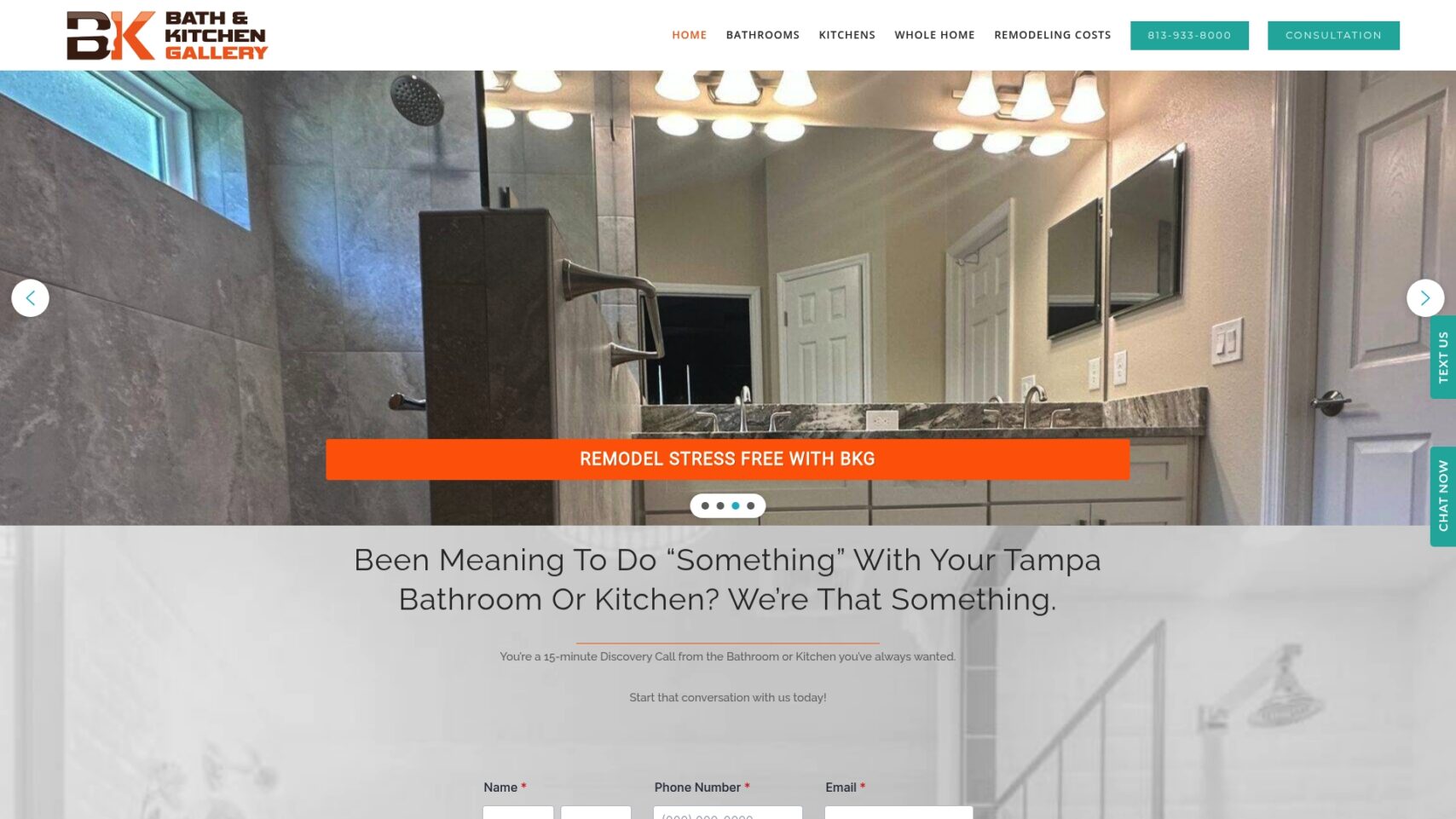
That combination matters most for exactly the mid-range projects this article covers, the $10,000 to $25,000 range where a vague allowance or a missing line item does the most damage to your final invoice. Between the Work Clean System minimizing disruption while you’re living in the house and a design-and-build team under one roof, there’s less room for the miscommunication that usually drives costs up mid-project.
If you want a real number instead of a range, start with the bathroom remodel cost breakdown for Tampa or browse the completed bathroom projects gallery to see what similar budgets actually built.
Key Takeaways
| Point | Details |
|---|---|
| Set the right tier | Cosmetic runs $2,500–$8,000, mid-range $8,000–$22,000, upscale $25,000 and up. |
| Labor drives the budget | Labor typically accounts for 40% to 60% of total spend, more than any material choice. |
| Keep plumbing in place | Avoiding a fixture relocation saves $2,000 to $8,000 on a typical project. |
| Reserve a real contingency | Set aside 15% to 20% of the budget separately for hidden repairs found during demolition. |
| Choose a transparent process | Tampakitchenandbath uses up-front pricing and a dedicated Lead Carpenter to keep bids accurate from the first estimate to the final invoice. |
Sources
- Bathroom remodel cost breakdown — The Spruce
- How a bathroom remodel hits $25,000 — The Renology Journal
- Bathroom remodel cost guide — CostPrism
- 5 bathroom remodel ideas to add value to your home — AAA Connect