
Stock and RTA cabinets typically ship in days to two weeks, assembled lines run 2 to 4 weeks, semi-custom takes 4 to 8 weeks, and full custom runs 8 to 16 weeks or longer. The one rule that governs all of it: the clock starts the day your order is released, not the day you got a quote. Finalize your selections, pay the deposit, and get the order entered before you count a single day of that lead time. Then build at least a week of float between delivery and installer booking, because freight delays happen more often than factory delays.
TL;DR:
- Stock cabinets can be ready for pickup or delivery within days to two weeks if in stock.
- Custom cabinets usually take 8 to 16 weeks, with painted or exotic finishes pushing the timeline toward the longer end.
- The order process involves six stages, with errors in order validation being the most common cause of delays.
- Locking selections before order release and ordering hardware early can significantly reduce lead times.
- Changes after order release restart production and can add weeks of delay, making upfront decisions critical.
Table of Contents
- How Long Do Cabinet Lead Times Run by Tier?
- What Happens Between Order Release and Installation Day?
- What Factors Push Cabinet Lead Times Longer?
- How Can You Shorten or Protect Your Cabinet Delivery Schedule?
- How a Remodeler Manages Cabinet Lead Times in Practice
- The One Habit That Saves Weeks
- Ready to Plan a Kitchen Timeline You Can Actually Trust?
- Sources
- FAQ
How Long Do Cabinet Lead Times Run by Tier?
Cabinet tier explains most of the variance you’ll see quoted, more than brand, more than region. Each tier is built around a different production model, and that model sets your floor and ceiling before you even pick a finish.
- Stock cabinets sit pre-built in a warehouse. If it’s in stock, you’re looking at same-day pickup to about two weeks for delivery.
- RTA (ready-to-assemble) cabinets ship flat and get assembled on-site or by your installer. Kitchen Cabinet Kings notes RTA orders in stock typically ship within days and land in 1 to 2 weeks, with assembled versions of the same line adding roughly a week for assembly labor.
- Semi-custom cabinets use standard boxes with more door style, finish, and size flexibility. Expect 4 to 8 weeks, depending on how popular the finish is that season.
- Full custom cabinets are built to your exact dimensions from scratch. Murano Cabinet puts full project timelines at 6 to 12 weeks for simpler jobs and 12 to 26 or more weeks for high-end custom work.
Painted finishes, natural wood veneer, and exotic species almost always push a tier toward its slower end. A semi-custom order with a stock maple door might land at 5 weeks; the same box style in a painted, glazed finish can push past 8.
What Happens Between Order Release and Installation Day?
Your total cabinet order turnaround breaks into six stages, and each one has a different failure point.
- Order entry and validation. The factory checks your order for missing specs or conflicting measurements. Errors here are the single most common source of a delayed start, and they’re almost always avoidable.
- Manufacturing and cutting. Boxes get cut, doors get milled. This stage moves at a predictable pace once it starts.
- Finishing and cure. Paint, stain, and clear coats need real cure time between passes. This is chemistry, not scheduling, so it can’t be rushed.
- Quality control and packing. Cabinets get inspected and boxed for shipping. Rework at this stage (a chipped edge, a warped panel) can add days.
- Freight transit and delivery scheduling. Delaying your delivery appointment once the ship notice arrives adds dwell time at the freight terminal, often 3 to 5 extra days for something entirely within your control.
- Installation and adjustments. Your Lead Carpenter or installer sets the boxes and handles fit issues on-site.
What Factors Push Cabinet Lead Times Longer?
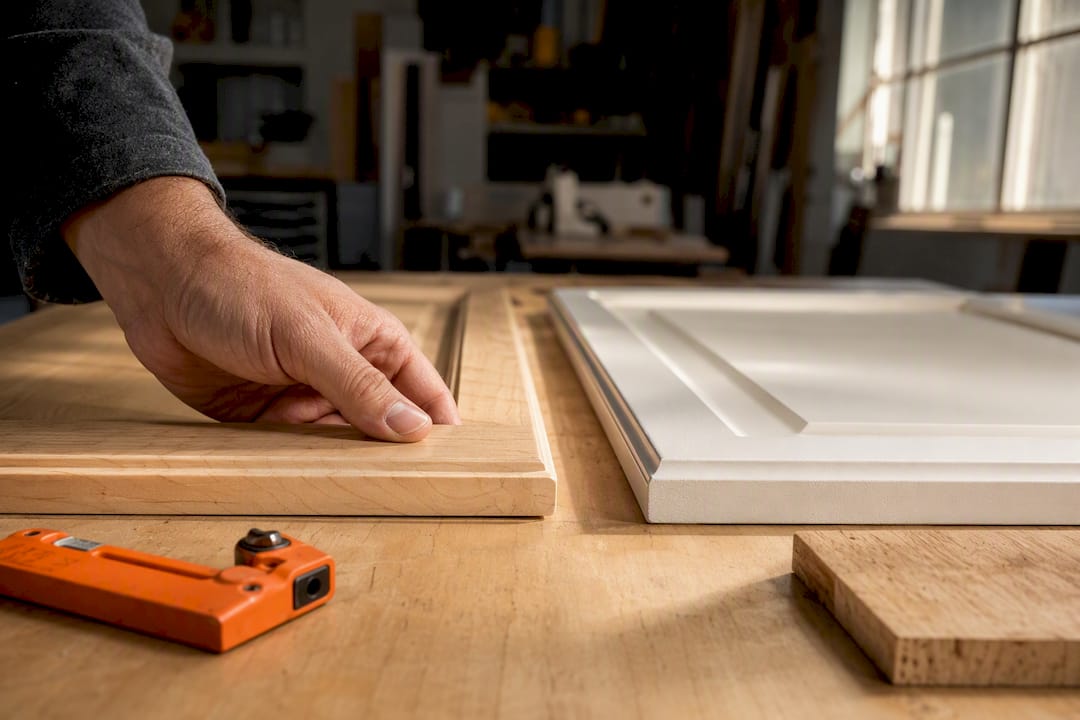
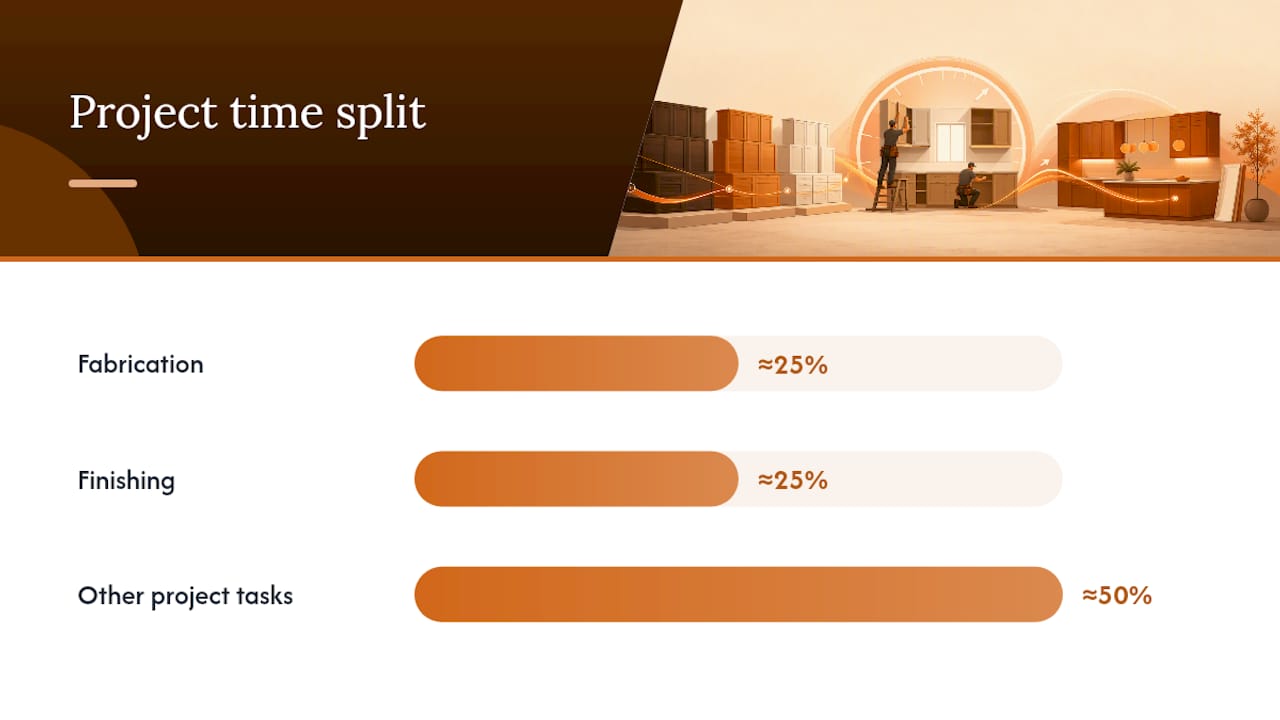
Finish complexity is the biggest lever you control. Fabrication and finishing commonly make up roughly half of a custom project’s total timeline, and painted or glazed doors need multiple coats with cure time between each one. A clear-coat maple door might need two passes; a painted, distressed finish can need five or six, with inspection after every one.
Seasonality matters more than most homeowners expect. Manufacturers see predictable slowdowns from February through June and again from October through December as renovation demand spikes and factories carry holiday-adjusted schedules. Ordering in January or early March often lands you in a shop’s post-holiday lull, before the spring surge fills the queue.
Hardware and appliance availability create their own dependent timelines, separate from the cabinets themselves. And any change order submitted after release restarts part of the production queue, which is why late “just one more thing” edits are the most expensive mistake in the whole process.
- Ask which tier your order actually falls into. “Custom” gets used loosely by showrooms.
- Ask whether the quoted lead time starts at order release or at deposit.
- Ask for current transit time to your zip code, not a generic regional estimate.
Pro Tip: Get all three answers in writing, in the same email or contract addendum. A verbal “should be about six weeks” from a salesperson is not a schedule you can hold anyone to.
How Can You Shorten or Protect Your Cabinet Delivery Schedule?
You can’t rush finish cure, but you can control almost everything around it. Speed starts with the tier decision itself: choosing in-stock or RTA lines over custom trims weeks off the clock, even if it means accepting a narrower menu of door styles and sizes.
- Lock every selection (door style, finish, hardware, box dimensions) before you release the order. Changes after release restart part of the queue.
- Pay the deposit and get the order entered promptly. Nothing on your timeline moves until this happens.
- Order long-lead hardware and appliances early, and confirm shipping windows independently of the cabinet order.
- Reserve one full week of float between delivery and installer booking.
- Confirm your delivery appointment within 24 to 48 hours of receiving the ship notice.
- Coordinate countertop templating so it happens after cabinets are set, not before.
| Tactic | What it protects against |
|---|---|
| Lock selections before release | Change-order restarts |
| Order hardware/appliances early | Dependent-item delays |
| One week of delivery float | Freight variability |
| Fast delivery-appointment confirmation | Terminal dwell time |
If you want a fuller sequencing picture beyond cabinets alone, our timeline planning guide walks through how cabinet delivery slots into the rest of a kitchen remodel, and this remodel timeline overview covers general sequencing if you’re weighing contractors.
How a Remodeler Manages Cabinet Lead Times in Practice
A remodeler builds its process around the fact that a single change order can cost three weeks. Up-front pricing means selections get locked before contracts are signed, not negotiated mid-project. A dedicated Lead Carpenter tracks the ship date and owns the delivery appointment, so nothing sits at a freight terminal because no one confirmed a slot.
- Selections and finishes get finalized before the order is released, closing off the most common source of re-queued production.
- Appliance specs get confirmed before cabinet dimensions are locked, since appliance cutouts are one of the most common causes of late changes.
- The job site is kept contained while cabinets wait for their delivery window, so a delayed appointment doesn’t turn into a stalled, dusty kitchen.
The result for homeowners: fewer surprise gaps between “cabinets are ready” and “cabinets are installed,” and a single point of contact who already knows the schedule.
The One Habit That Saves Weeks
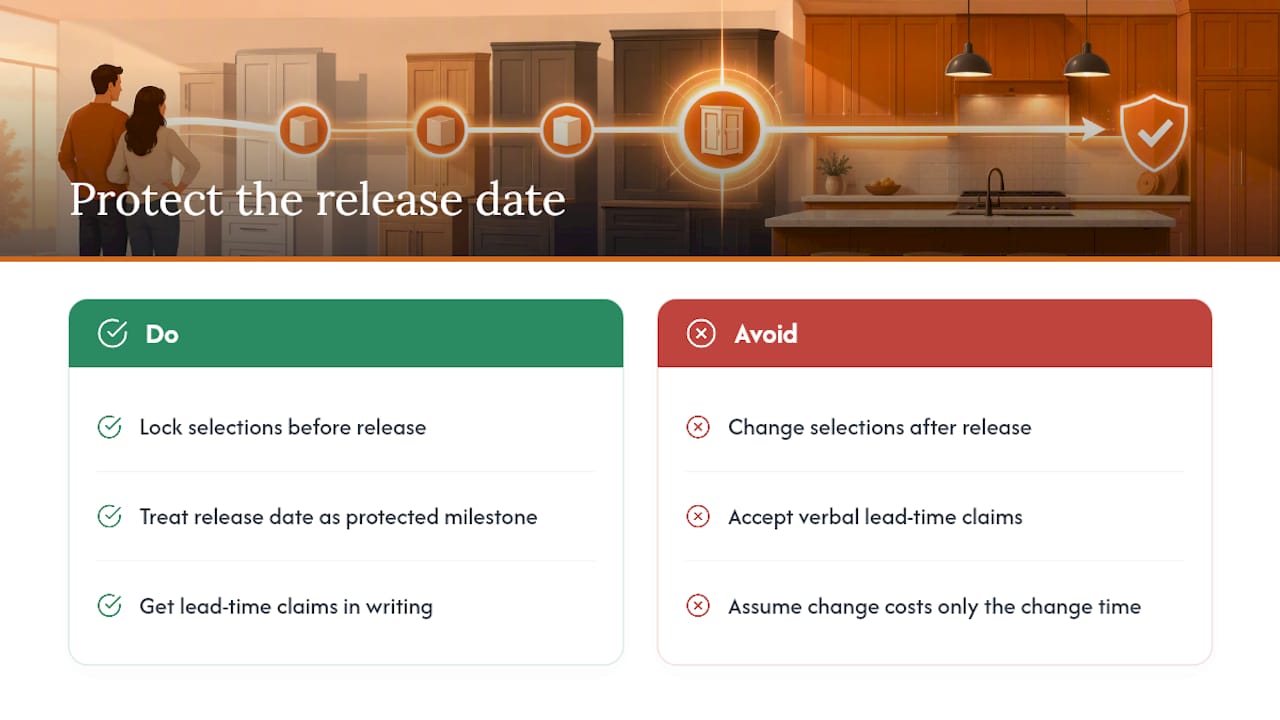
Homeowners lose more time to late selection changes than to any factory or freight delay. Swapping a door finish two weeks after release doesn’t cost two weeks. It can cost four, because the order re-enters a production queue that’s already moving on to the next batch.
Treat your release date as the one milestone you protect above all others. Lock selections before that date, not after, and get every lead-time claim confirmed in writing using the questions above.
— MediaBeast
Ready to Plan a Kitchen Timeline You Can Actually Trust?
Cabinet lead times are only one piece of a remodel schedule, and the biggest risk isn’t the factory. It’s a project with no one tracking the ship date, the delivery window, and the installer calendar at the same time. The coordination is handled directly: up-front pricing locks selections before production starts, and a dedicated Lead Carpenter owns the schedule from order release through final walkthrough, so nothing waits on a freight dock because no one confirmed the appointment.
If you’re weighing painted versus stock finishes and want to see how that choice affects your own timeline, our custom cabinet page breaks down the tradeoffs. When you’re ready to put a real schedule against your project, schedule a discovery call with our designer and get a lead time built around your actual selections, not a generic estimate.
Sources
- Cabinet Lead Times 2026: Stock vs Semi-Custom vs Custom – Kraftersland Cabinet
- Kitchen Cabinet Lead Times: RTA vs Assembled vs Custom (2026)
- How Long to Build & Install Custom Kitchen Cabinets – Murano Cabinet
- How Long Does Custom Cabinetry & Millwork Take? A Boston Project Timeline – Fab Wright Origins
FAQ
What Is the Typical Lead Time for Custom Cabinets?
Full custom cabinets typically run 8 to 16 weeks for production alone, with complete project timelines from design to install reaching 12 to 26 or more weeks for high-end work.
How Long Does Cabinet Installation Take Once Cabinets Arrive?
Installation itself usually takes a few days to about a week for a full kitchen, though it depends on layout complexity and whether your Lead Carpenter needs to make on-site fit adjustments.
What Determines Whether My Order Falls Into Semi-Custom or Full Custom?
Semi-custom uses standard box sizes with more finish and style choices, running 4 to 8 weeks; full custom builds every dimension from scratch, which is why it takes noticeably longer.
What Is Lead Time in Furniture and Cabinetry Terms?
Lead time is the total span from order release to delivery, covering manufacturing, finishing, and transit. It’s often confused with transit time alone, but transit is only the final stage of the full cabinet order turnaround.